Pest Control: Effective Methods to Secure Your Property and Organization
Pest Control: Successful Tactics to Defend Your Property and Business
Opening to Pest Control
Pest Control relates to the management or supervision of species defined as pests – life forms that adversely influence people's pursuits or habitats. In New Jersey, a place where different biological communities connect with urban-adjacent and city development, productive Pest Control is not merely a luxury but a must-have for keeping sanitary home and professional conditions. From the vast districts of Monmouth County to the tight-knit districts of Matawan, pest infestations can affect each person, independent of how spotless or well-kept their dwelling may be.
The criticality of employing effective Pest Control procedures could not be overemphasized. For occupants, pests can damage architectural strength, corrupt food reserves, and constitute important health perils. Establishments face these equivalent difficulties, with the increased anxiety of status damage and likely loss of consumers if problems are uncovered. Usual pests in New Jersey contain rodents like rats and mice, diverse bugs such as ants, cockroaches, and bed bugs, and the particularly detrimental termites that can stealthily damage a building's structural basis.
Why Pest Control Matters
Health Risks of Pest Control Chemicals
Countless pests transport and pass on conditions that can influence humans and pets. Rats and mice are established transporters of hantavirus, salmonella, and leptospirosis. Cockroaches can trigger asthma flare-ups and hypersensitivity responses, particularly in children. Ticks, copious in New Jersey's forested spots, are infamous for conveying Lyme disease, while mosquitoes can transfer West Nile virus and Eastern Equine Encephalitis. Professional Pest Control helps lessen these health perils by exterminating the basis of these possible disease transmitters.
Structure Injury in Pest Control
The framework harm generated by pests can be vast and costly. Termites singly trigger over $5 billion in property injury each year across the United States, with New Jersey homes being exceptionally exposed due to the state's atmosphere. Small mammals can chomp through electronic circuitry, forming fire dangers, while their constant nibbling can damage padding, pipes, and timber basic items. Even ostensibly benign ants can jeopardize wooden structures if left unprocessed, chiefly carpenter ants which are prevalent in Monmouth County.
Fiscal Consequences of Pest Control Services
Overlooking pest issues can cause considerable pecuniary ramifications. What could commence as a slight occurrence needing uncomplicated management can quickly intensify into a large predicament requiring broad rehabilitation. For firms, notably those in the food industry or leisure businesses, pest issues can cause failed health inspections, brief stoppages, and long-term injury to image and shopper belief. Funding in normal Pest Control is not only about instantaneous comfort—it's a continuing monetary protection.
Pest Control: Standard Family and Business Pests
Small Mammals (Rats and Mice)
When it regards discovering rodent issues in your New Jersey home, carefulness Capitol Exterminating System pest control services is crucial. You perhaps perceive pellets near food reserves, in storage units, or underneath sinks. Chew marks on food packaging, wood, and electrical cords are obvious signs of their occupancy. At night, you may hear scraping clamors in barriers, top boundaries, or underneath floors as these night-time creatures get energetic. If you find dwellings made from tattered stationery, material, or dried plant stuff, that's a obvious proof rodents have set up themselves settled. Slick rub marks beside baseboards and surfaces emerge as rodents utilize the matching paths continually, while your pets may display odd manner such as barking or scratching at spaces under appliances or possessions where rodents seek refuge.
Small mammals in New Jersey homes and companies create several dangers past basic irritation. They can spoil food and production counters with microbes present in their urination and droppings. Their unending desire to munch can harm belongings, especially wiring, which causes fire hazards. In Matawan and neighboring locations, the Norway rat and house mouse are notably troublesome, flourishing in both built-up and residential areas. Powerful Pest Control actions are necessary to control these detrimental trespassers.
Insects (Ants, Cockroaches, Bed Bugs)
Insect invasions reveal themselves in assorted ways depending on the kind. Ant issues turn apparent when you see obvious ant routes approaching food sources, or when you discover miniature collections of earth or wood chips created by carpenter ants. Cockroach issues often present themselves through dark feces akin to coffee grounds or black pepper, a distinctive musty odor that permeates plagued regions, and the existence of egg coverings in hidden corners. Bed bug problems show up as rust-colored spots on mattresses and furnishings, shed skins near sleeping locations, microscopic blood discolorations on sheets, and prickly red elevations on skin commonly positioned in a sequence or collection.
Insects represent the most various class of pests in New Jersey. Cockroaches can prompt asthma and allergies while disseminating many infectious agents. Bed bugs, while not disease vectors, inflict substantial pain, sleep interference, and mental anguish. Certain ant species, like carpenter ants common in Monmouth County's forested areas, can cause skeletal injury equivalent to termites during time. Expert Pest Control providers can identify specific insect types and execute precise remedy strategies that address the particular habits and susceptibilities of each pest.
Termites
Finding termite activity soon requires understanding the nuanced markers of their presence. You may perceive rejected wings near apertures and doors after swarmers have located a mate and formed a new population. Mud tubes on outside barriers, wood beams, or in crawl regions work as protected highways for these destructive bugs. Wood that reverberates cavernous when tapped signals termites have been feeding from inside. Entrances and apertures that all at once bond may reveal twisting from termite deterioration, while broken or inflating paint reminiscent of water impairment often masks termite behavior under. Locating frass—termite pellets akin to tiny wood-colored granules—gives another proof of their unwelcome occurrence.
Termites create perhaps the most considerable skeletal threat between all usual pests. In New Jersey, the Eastern subterranean termite is frequent and especially destructive. These arthropods can endure unseen for seasons while creating vast devastation to timber structural components. Homes in Matawan and all through Monmouth County, especially older houses, are at risk to termite problems. The normal cost of term pest control.
Pest Control Protection Factors
Secure Application of Pesticides and Products in Pest Control
While products turn needed in your pest control plan, emphasizing safety requires attention to various crucial procedures that protect individuals, animals, and the environment. Continuously study and comply with product instructions exactly, as these legal directions show comprehensive testing and regulatory evaluation intended to minimize dangers. Apply the smallest successful amount of chemical to achieve control while decreasing unneeded product addition into your living environment. Use substances only in spaces stated on the product instructions, preventing unauthorized treatments that may produce unexpected hazards or reduce performance. Utilize appropriate safety equipment as designated by product manufacturers to eliminate direct exposure during use. Maintain chemicals in their factory containers with instructions undamaged to retain availability to security data and stop mix-ups. Keep comprehensive logs of all uses, documenting substances utilized, concentration levels, areas serviced, and dates of application for future consultation. Allow adequate curing and ventilation before reentering treated areas, specifically vital in New Jersey's weather where dampness can alter setting times. Evaluate less-toxic options when successful, as advances in pest control have generated many less-hazardous alternatives that maintain efficacy while minimizing possible dangers.
Shielding Companions and Children During Pest Control Applications
Special safeguards grow necessary when executing pest control treatments in residences with at-risk family individuals. Move companions during application and until spaces are cured to prevent immediate contact with wet chemicals or fumes that could cause harmful reactions. Cover or relocate pet food, water bowls, and toys before application to stop exposure that could lead to unintentional ingestion. Put children's playthings apart from treatment zones, specifically objects that young kids might insert in their lips. Disinfect and sanitize meal making counters after application, even if they weren't immediately serviced, to get rid of any residues that might have accumulated during service. Hold children away from applied locations for the recommended period, lengthening this duration for mobile toddlers who have increased immediate contact with ground and lower surfaces. Examine non-toxic to pets and non-toxic to children substance options when available, as many recent products focus on certain pest biology while decreasing mammalian toxicity. Most crucially, notify qualified technicians about the occurrence of animals, children, or expecting home occupants before they design service approaches, enabling them to modify methods and chemical choices appropriately.
Legal Rules and Compliance with Pest Control
Pest control in New Jersey operates within a official framework designed to defend public safety and the surroundings while maintaining effective pest elimination. The New Jersey Department of Environmental Protection oversees pest control procedures, mandating professional pest management companies to satisfy specific specifications. Companies must utilize licensed specialists who have succeeded in government examinations demonstrating expertise in pest biology, service techniques, and security guidelines. These businesses must copyright correct coverage coverage shielding both their specialists and their clients from likely injury or harm related to pest management operations. Rigid rules govern chemical keeping, shipping, and disposal to eliminate ecological pollution and improper availability. Technicians must give Safety Data Sheets upon inquiry, recording the attributes and risks of substances utilized in services. Notice standards apply for some treatments, specifically in multiple-unit buildings or industrial areas with several residents. Comprehensive service notes must be upheld, establishing an inspection path of pest control procedures. Moreover, only products registered for employment in New Jersey may be legally utilized, making certain that regional environmental circumstances and habitats have been reviewed in the licensing procedure. For business facilities in Matawan and throughout Monmouth County, further guidelines may pertain depending on the business, especially for food industry, health, and child care facilities where pest management intersects with further general wellness factors.
Environmentally-Friendly Pest Control Solutions
Comprehensive Pest Management (IPM) Method
Comprehensive Pest Management represents the highest measure in contemporary pest control, focusing on sustained prevention through a mix of approaches that reduce natural effect while enhancing efficiency. The IPM method commences with comprehensive inspection and tracking to pinpoint pest activity correctly, establishing baseline information about kinds present and number sizes. This results in exact identification of pest types, making certain elimination efforts address certain actions and weaknesses rather than employing general treatments. Practitioners create limit quantities that warrant treatment, acknowledging that the plain occurrence of a few insects doesn't inevitably demand control if quantities continue under harmful levels. When action grows needed, IPM implements several control approaches in combination, typically commencing with least-toxic approaches and escalating only when needed. During the process, specialists review efficiency and adapt methods as required, building a responsive method responsive to changing environments. Most importantly, IPM highlights deterrence over treatment, dealing with physical and environmental elements that encourage pest groups rather than merely destroying existing organisms. Many pest control organizations in New Jersey provide IPM-based programs that coordinate with the state's push toward lower-risk pest treatment procedures, specifically in sensitive settings like educational facilities, medical facilities, and nutrition production operations.
Non-Chemical Treatment Techniques
Efficient pest control often integrates natural methods that can resolve or decrease pest concerns without bringing products into the environment. Tangible shields such as filters, entry seals, and closing block pest access fully, handling the concern at its origin. Physical systems like devices and prevention systems take away current pests while blocking fresh arrivals. Biological systems involving helpful bugs and organisms insert natural predators that target individual pests while maintaining useful life forms unharmed. Cultural methods adjust the setting to discourage pests, such as altering water routines to decrease dampness that lures certain insects. Environment modification decreases shelter and food options, causing sites decreased attractive to problematic guests. For some organisms like bed bugs, thermal applications provide very productive elimination without chemical residues by increasing temperatures beyond the thermal lethal level for all developmental periods of the specific pest. Comparably, cooling methods for stored product pests like food beetles or kitchen pests can eliminate problems in edible items without synthetic exposure. These methods prove especially valuable in New Jersey's varied settings, where closeness to aquatic areas, conserved environmental locations, and thick community zones forms many scenarios where pesticide minimization becomes wanted or essential.
Sustainable Pest Control Control Options
The pest control sector maintains to advance toward more green approaches that maintain success while minimizing environmental influence. Natural products derived from botanical essences like chrysanthemum extract, neem oil, and aromatic compounds deliver focused control with limited lasting power in the nature. Living treatments including bacteria, spores, or viruses that aim at particular pest creatures deliver accuracy that standard wide-range chemicals cannot compare to. Maturation inhibitors that stop pest mating by interrupting with developmental processes provide sustained number limitation without instant harmful consequences on fully-grown creatures. Pheromone tools that monitor or interrupt pest pairing assist determine when control turns essential and can block breeding in certain types. The business increasingly implements lower-risk products with reduced surrounding footprint, transitioning apart from traditional chemistries with more extensive influences on non-target species. Precision application equipment that reduce entire pesticide use administer treatments precisely where essential rather than spreading products across broad zones. Environmental certification initiatives for pest management companies establish guidelines for ecologically preferable assistance and give consumers with clear marking of companies pledged to green practices. In naturally critical areas of New Jersey, encompassing areas of Monmouth County with closeness to marine bodies, these eco-conscious approaches are specifically beneficial for preserving both personal health and ecological habitats while continue to offering productive pest management.
Finding a Local Pest Control Service Provider in New Jersey
Capitol Exterminating System
272 NJ-34
Matawan, NJ 07747
(732) 441-1900
Commonly Inquired Questions (FAQs) about Pest Control
How regularly should pest control be performed?
For numerous New Jersey homes, four times yearly pest control delivers appropriate defense against cyclical pest challenges. This routine coordinates with the local unique cycles, each bringing different pest issues that demand precautionary attention. Spring services usually deal with developing ant populations and surviving creatures becoming mobile. Warm season services center on mosquitoes, parasites, and numerous aerial bugs that flourish in heated conditions. Autumn treatments prepare homes for small mammals and surviving organisms pursuing harborage as conditions decline. Winter procedures maintain protection against indoor pests while dealing with small mammal activity at its greatest. Nonetheless, this schedule may rise for buildings with individual risk aspects or active troubles that call for more rigorous management. Homes adjacent to tree-covered regions in Monmouth County may gain from further tick and flying insect applications throughout high times. Homes with history of certain pest troubles frequently demand focused subsequent services beyond the normal every three months schedule. Commercial facilities, specifically restaurant preparation establishments in areas like Matawan, often demand regular attention to maintain agreement with sanitary standards and stop invasions that could hurt credibility and commercial processes.
Is expert pest control harmless for animals?
When carried out correctly, specialist pest control can be harmless for animals through deliberate chemical choosing and usage methods that limit contact. Modern directed employment techniques and minimal-impact products have significantly enhanced wellness characteristics versus previous pest management strategies. Modern services commonly employ compounds particularly created to have limited poison to creatures while keeping productive against designated creatures with separate biologies. Specialist applicators obtain instruction in employment techniques that position substances in zones companions can't enter, such as interior cavities, fissures and openings, or beneath equipment. Though, companions should be removed while performing procedure and until all applications have dried completely, obeying particular delay periods suggested by the chemical producer and professional. Water tanks should be shielded and ventilation pumps turned off throughout procedure to stop infection from floating substances. Pet objects including resting places, items, and food dishes should be relocated or protected while performing procedure. Talk about any questions with your pest control provider, who can recommend correct waiting times depending on the individual procedures used and adapt strategies for homes with specifically susceptible animals like flying animals or lizards and snakes that may have separate bodily vulnerabilities than cats and dogs.
What are the signs of a severe pest problem?
Apart from visible pests themselves, multiple alert symptoms indicate likely serious issues needing immediate pest control treatment. Strange odors regularly appear with significant issues – damp, slick aromas may indicate mice and rats, while pleasant, almond-like smells at times accompany German insect communities. Puzzling construction harm like sagging floors, blistering coating, or crumbling lumber may indicate termite presence or wood-boring ant invasions destroying building pieces. Peculiar sounds within partitions or upper spaces, specifically at evening, frequently show rodent behavior as these dark-active organisms get mobile in unseen places. Excessive powder similar to fine wood particles around wooden elements may in fact be frass or waste from wood-destroying pests. Some homes encounter mysterious physical issues like airway difficulties or scratching that improve when distant from home, likely showing insect issues influencing interior air condition. In New Jersey properties, special attention should be directed to underground and under-floor spaces where water troubles can maintain pest populations, especially in established houses throughout Monmouth County where foundation fissures and deteriorating binding provide various invasion locations. Discovering several deceased bugs of the same type shows a bigger community in the area, while oil traces near floor edges indicate developed small mammal pathways with frequent traffic.
Can I avoid creatures without pest control products?
Certainly, various creatures can be eliminated through proper cleaning, blocking, and living space modification without applying synthetic applications. The cornerstone of alternative pest control commences with complete exclusion efforts – filling openings, gaps, and holes that let organisms to enter properties in the initial position. Placing entry seals, restoring damaged barriers, and sealing utility openings eliminates common entry points. Removing sustenance resources through appropriate meal containment in tight packages, immediate cleaning of drops and pieces, and frequent garbage elimination considerably reduces attractants that attract pests into homes. Lowering dampness by correcting flowing pipes, bettering air movement in moist areas, and addressing drainage problems removes the liquid origins multiple creatures need. Maintaining a buffer space encircling buildings by cutting greenery, taking away organic material, and maintaining fuel elevated and separate from properties reduces shelter spaces and access locations. Employing solid blockades like copper screen or iron wool to prevent bigger gaps provides enduring exclusion for rodents and rodents. Consistent sanitation that involves removal cracks and crevices eliminates bug eggs and nutrition waste that encourage pest breeding. For current infestations, however, some kind of elimination material may be essential to address confirmed issues, though multiple reduced-danger alternatives are offered containing natural silica dust, boron substance, and bug-eliminating soaps that offer decreased danger compared to standard products.
What should I expect throughout expert pest control procedure?
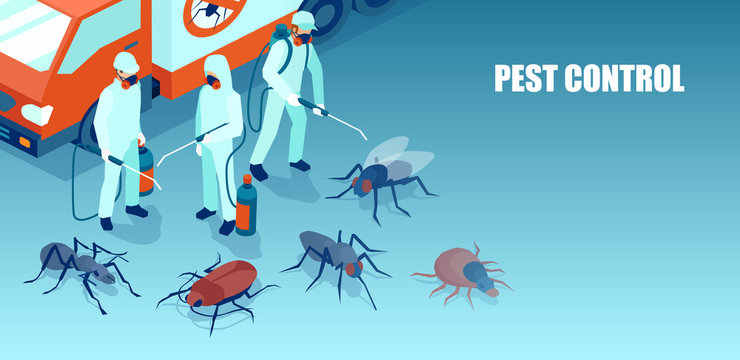
A expert pest control service commonly starts with a comprehensive inspection to determine pest varieties, entry spots, and favorable circumstances leading to the concern. The specialist should take care checking both internal and outdoor spaces, paying specific attention to cooking areas, restrooms, underground areas, and edge structural supports where pest movement commonly concentrates. Upon completing this evaluation, the technician should explain their findings in thoroughness and propose a treatment program tailored to your unique situation, reviewing both the specific organisms and the procedures suggested for treating them. You may obtain setup steps before procedure, probably containing moving furniture, removing specific zones, or containing pets. While performing the procedure, the professional will administer proper substances to designated zones depending on the pest types identified, centering on cracks, openings, and pest shelter locations rather than broadcasting treatments across complete regions. They may position observation tools like bug devices or bait devices that support monitor progress and supply continuing safeguarding. After completing applications, a expert should detail any following-application guidelines such as ventilation specifications, occupancy periods, or spaces to sanitize. Before going, they should arrange return services if essential for specifically challenging pests like bedbugs or German cockroaches that usually require multiple treatments for full eradication. Throughout this procedure, experts should welcome concerns and give clear data about the materials and techniques employed, displaying their instruction and devotion to both effectiveness and wellness.
Efficient pest control is an crucial aspect of preserving sanitary, protected home and working settings in New Jersey. From the wet warm seasons that produce mosquitoes and parasites to the chilly periods when rodents seek harborage interior, pest threats stay a annual worry for residents and businesses in Monmouth County and Matawan. By comprehending frequent organisms, employing protective measures, and understanding when to pursue specialist aid, building managers can safeguard their properties and the safety of inhabitants.
Implementing a anticipatory system to pest control is constantly increasingly successful and economical than handling to active issues. Frequent evaluations, proper maintenance, and dealing with little concerns before they grow can eliminate the considerable costs and interruptions linked with substantial pest issues. When professional support grows essential, picking a reputable, licensed pest control service who utilizes unified pest control strategies guarantees effective outcomes with limited surrounding influence.